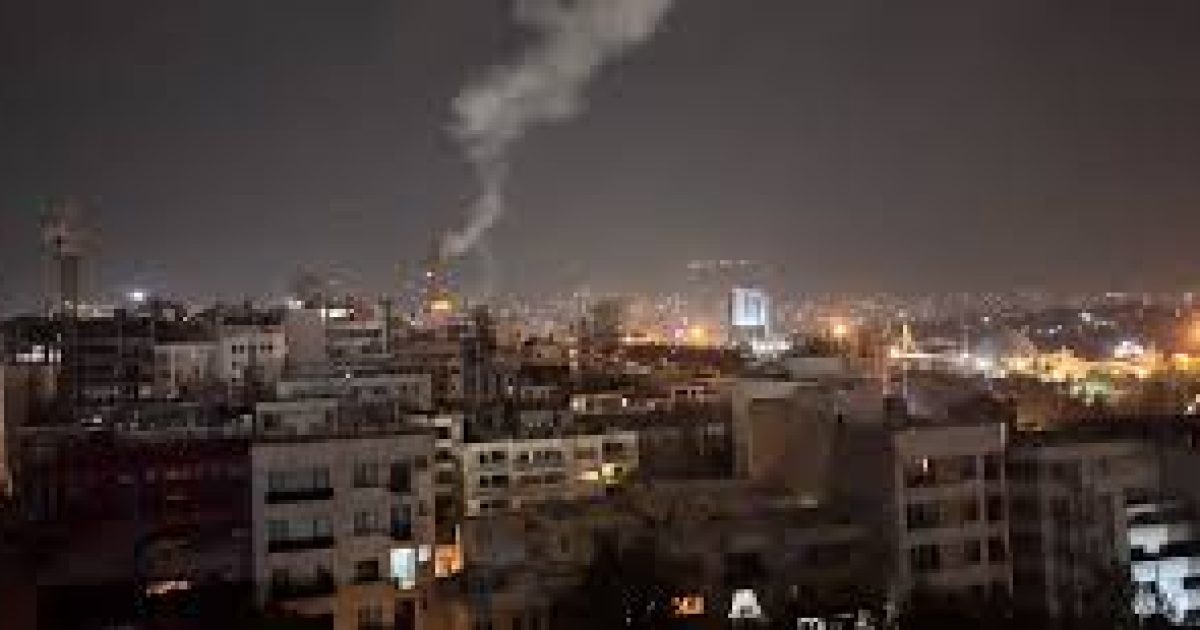
Dubai: The intensifying West Asian conflict has taken a dangerous turn, with attacks now targeting vital oil and gas infrastructure across the Gulf. Following strikes by Israel on Iran’s energy facilities—including the massive South Pars gas field—Iran has launched sweeping retaliatory attacks on key energy hubs in the region. LNG facilities in Qatar, refineries in Kuwait, and oil tankers near the United Arab Emirates have all reportedly come under fire, pushing the region into deeper instability.
The strikes have disrupted major energy operations, with fires reported at Qatar’s LNG terminals and shutdowns at critical sites like the Habshan gas plant in the UAE. Kuwait’s Mina Al-Ahmadi refinery—one of the largest in the Middle East—was also targeted, raising alarms over global fuel supply chains. Gulf nations, including Saudi Arabia, have condemned the attacks, warning of severe consequences. Analysts say this marks a significant escalation, as the conflict shifts directly toward economic lifelines.
Global markets are already reacting sharply. Brent crude prices have surged past $110 per barrel, reflecting fears of supply disruption along routes that account for nearly 20% of the world’s oil flow. With tensions continuing to rise, experts warn that the crisis could trigger widespread economic fallout, potentially ushering in a period of global fuel shortages and financial instability.